
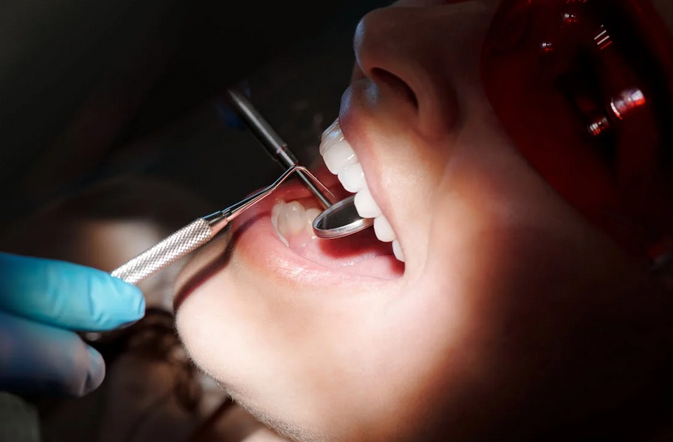
4 Crucial Reasons to Stay Up-to-Date With Your Dental Cleanings
When was the last time you visited your dentist for a cleaning? If it’s been a while, you’re not alone. Many people tend to skip routine dental visits, thinking they can manage their oral health on their own. However, regular dental cleanings are more than just an inconvenience; they play a crucial role in maintaining your smile and overall well-being. For that reason, it is no wonder that Islington Dentist often reminds patients that regular dental cleanings should be an essential part of their oral healthcare routine. Now, let’s dive into four vital reasons why keeping up with those appointments should be at the top of your priority list. Your teeth—and your body—will thank you.
Prevention of Tooth Decay and Gum Disease
Tooth decay and gum disease are two of the most common dental issues affecting anyone, regardless of age. The good news is that regular cleanings serve as a powerful defense against these problems. During your dental visit, a professional cleaning can remove plaque and tartar buildup that brushing at home might miss. This is crucial because this buildup can lead to cavities if left untreated. Gum disease, another serious condition, often starts silently with little to no symptoms. A dentist will check for early signs during your cleaning appointment. Catching it early means you can avoid painful treatments down the line.
Early Detection of Dental Issues

Regular dental cleanings are essential for spotting potential problems before they escalate. Many issues, like cavities or gum disease, can develop silently without noticeable symptoms. During your cleaning appointment, the dentist examines your teeth and gums closely. They look for early signs of decay or infection that you might miss at home. Catching these concerns early on can save you from more extensive treatments later. Additionally, routine check-ups help monitor existing conditions such as cracked teeth or enamel erosion. By addressing these issues promptly, you enhance your chances of maintaining a healthy smile over the long term.
Improved Overall Health
Regular dental cleanings do more than just keep your smile bright; they play a vital role in your overall health. The mouth serves as a gateway to the body, and poor oral hygiene can lead to various systemic issues. Studies have shown that gum disease is linked to heart disease, diabetes, and respiratory problems. When bacteria from infected gums enter the bloodstream, it can create inflammation elsewhere in the body. This connection highlights the importance of maintaining good oral health. Additionally, routine cleanings help remove plaque and tartar buildup that can contribute to other health complications. By prioritizing dental visits, you’re not only protecting your teeth but also safeguarding your general well-being.
A Brighter Smile and Fresh Breath

A bright smile can light up a room. Regular dental cleanings play a key role in achieving that radiant look. During these appointments, your hygienist removes plaque and tartar buildup that brushing at home may miss. This process not only enhances the appearance of your teeth but also helps prevent discoloration. Stains from coffee, tea, or tobacco can be stubborn; professional cleaning effectively combats them. Fresh breath is another fantastic benefit. Bacteria thrive in the mouth, leading to unpleasant odors. Cleanings eliminate these bacteria and leave you feeling refreshed.
Maintaining regular dental cleanings is essential for more than just a bright smile. By keeping up with your appointments, you play an active role in preventing serious issues like tooth decay and gum disease. Early detection of potential problems can save you time and discomfort down the line, while also promoting better overall health. Staying current with dental cleanings is about so much more than aesthetics; it’s about taking charge of your health journey. Embrace these visits as opportunities to safeguard not only your teeth but also enhance your well-being for years to come.…
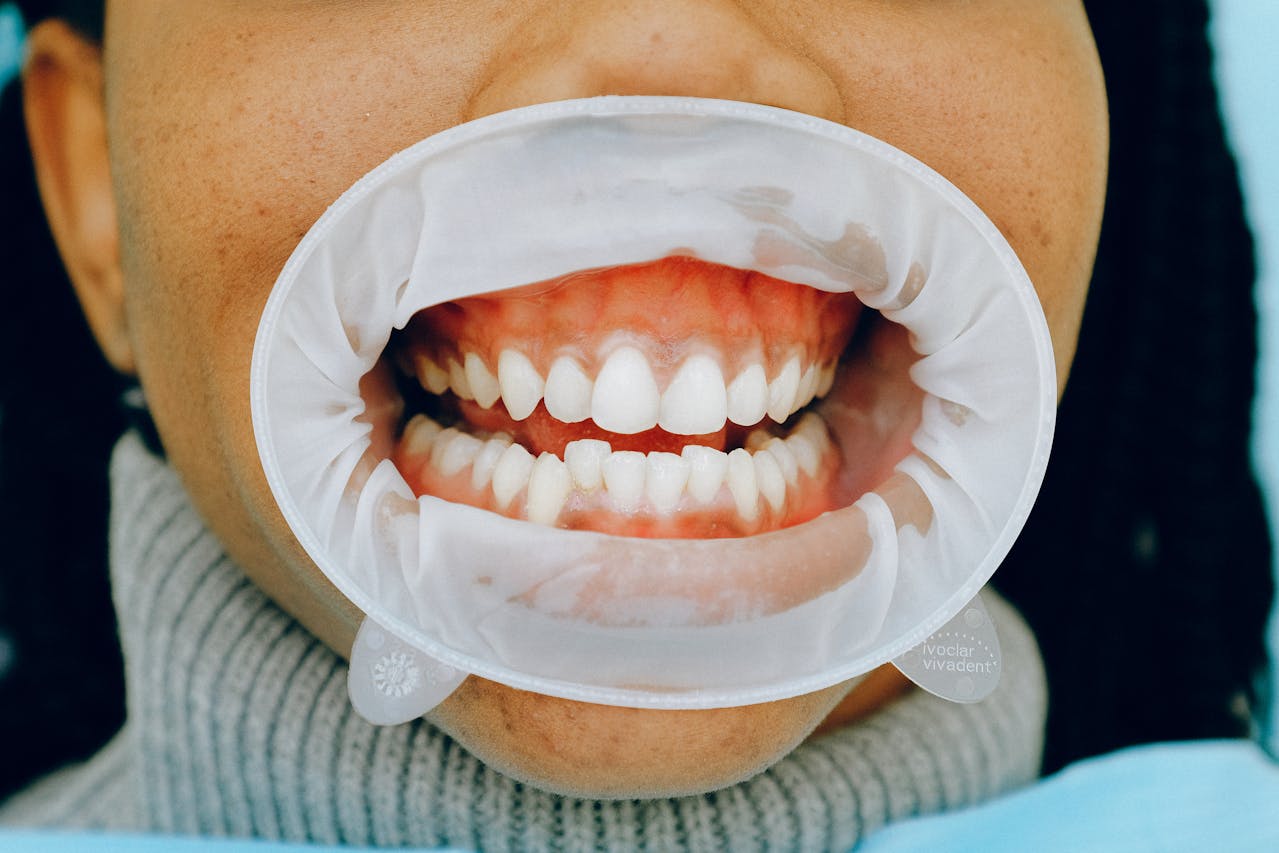
The Role of Genetics in Dental Health: Understanding Your Risk Factors
When it comes to dental health, many of us focus on brushing, flossing, and regular check-ups. However, did you know that your genes play a significant role in determining your dental health? Just like your eye color or height, your risk for certain dental conditions can be influenced by your genetic makeup. Let’s delve into the fascinating world of genetics and how it impacts your dental health, helping you understand your risk factors and take proactive steps to maintain a healthy smile.
The Genetic Influence on Dental Health
Your genes carry the instructions for building and maintaining your body, including your teeth and gums. Dentist Richmond tests for genetic predispositions to certain dental conditions can provide valuable insights into your oral health. These tests can help identify specific genetic markers that may influence your risk for issues like tooth decay, gum disease, and other dental problems. While good oral hygiene and regular dental visits are crucial, genetics can influence several aspects of your dental health, including:

Tooth Decay and Cavities
Some people are more prone to cavities due to their genetic makeup. Genes can affect the composition of your saliva, which plays a crucial role in protecting your teeth from decay. For instance, if your saliva is less effective at neutralizing acids or lacks sufficient minerals to help remineralize your teeth, you might be at a higher risk for cavities.
Gum Disease
Periodontal disease, or gum disease, is a common condition that affects the gums and bones supporting the teeth. Research has shown that genetics can influence your susceptibility to gum disease. If you have a family history of gum disease, you might need to be more vigilant about your oral hygiene and regular dental visits to catch any early signs of the condition.
Tooth Alignment and Bite
Your genes can also determine the size and shape of your jaw, which can influence the alignment of your teeth and your bite. Conditions like crowding, gaps, overbites, and underbites can be inherited. If you have orthodontic issues in your family, there’s a higher chance you might need braces or other orthodontic treatments.
Enamel Strength
The strength and composition of your tooth enamel, the hard outer layer that protects your teeth, can be influenced by genetics. Weaker enamel can make your teeth more susceptible to decay and wear. If you have inherited thinner enamel, you might need to take extra precautions to protect your teeth from damage.
Understanding Your Risk Factors
Knowing your family dental history can provide valuable insights into your own risk factors. Here are a few steps you can take to understand and manage your genetic risk factors for dental health:
Talk to Your Family
Discuss your family’s dental health history with your relatives. Find out if there’s a history of cavities, gum disease, orthodontic issues, or other dental conditions. This information can help you and your dentist create a personalized plan for your oral care.

Share Your History With Your Dentist
Make sure to share your family’s dental history with your dentist. They can use this information to tailor their recommendations and keep a closer eye on potential issues that might arise due to your genetic predisposition.
Maintain Excellent Oral Hygiene
While you can’t change your genes, you can control your oral hygiene habits. Brush your teeth at least twice a day, floss daily, and use fluoride toothpaste to strengthen your enamel. Regular dental check-ups are crucial for catching any issues early and keeping your teeth and gums healthy.
Consider Preventive Treatments
If you know you’re at higher risk for certain dental conditions, talk to your dentist about preventive treatments. This could include fluoride treatments, dental sealants, or more frequent professional cleanings to help protect your teeth and gums.
In Conclusion
Understanding the role of genetics in dental health can empower you to take proactive steps to protect your smile. While you can’t change your genetic makeup, you can manage your risk factors by maintaining excellent oral hygiene, staying informed about your family’s dental history, and working closely with your dentist. By taking these steps, you can help ensure that your teeth and gums stay healthy and strong for years to come. So, embrace your unique genetic blueprint and take charge of your dental health today.…

Why Doctors Warn About Rapid Weight Loss Routines
In a society that values quick results, many individuals strive for rapid weight loss through various fad diets and extreme workout regimens. While shedding pounds quickly using the best thermogenic for women or men may seem appealing, doctors and healthcare professionals consistently emphasize caution and advocate for sustainable weight loss methods. Below are details explaining why behind doctors’ warnings about rapid weight loss routines and shed light on the potential risks involved.
Nutrient Deficiencies

Rapid weight loss often involves severely restricting calorie intake or eliminating entire food groups. This approach can lead to significant nutrient deficiencies, as the body is deprived of essential vitamins, minerals, and macronutrients. Without proper nourishment, individuals may experience fatigue, weakened immune function, hair loss, and hormonal imbalances. A well-balanced diet provides sustained energy and ensures the body attains all the necessary nutrients to function optimally.
Muscle Loss
When the body is deprived of calories through crash diets, it often turns to muscle tissue as an energy source. Losing muscle mass not only impacts physical strength but also hampers metabolic rate. Muscle is metabolically active and aids in burning calories, so losing it can lead to a decreased ability to maintain weight loss in the long run.
Furthermore, a loss of muscle mass can result in a softer, less toned appearance, which may not align with the desired aesthetic goals of individuals seeking rapid weight loss.
Yo-Yo Dieting
 Rapid weight loss routines often lead to a cycle of weight loss and regain, commonly known as yo-yo dieting. The body’s natural response to extreme caloric restriction is to slow down metabolism in order to conserve energy. When individuals resume normal eating habits after a period of rapid weight loss, they often regain the lost weight and sometimes even more.
Psychological Impact
Embarking on rapid weight loss routines can have a significant psychological impact on individuals. The obsession with achieving quick results can lead to an unhealthy relationship with food, body image issues, and disordered eating patterns. These psychological consequences can have long-lasting effects on self-esteem, mental well-being, and overall quality of life. It is crucial to promote a positive body image and self-acceptance, along with a balanced approach to weight management.
Lack of Sustainability

The most significant concern with rapid weight loss routines is their lack of sustainability. Extreme diets and intense exercise regimes are often difficult to maintain in the long term. Once individuals reach their desired weight or become exhausted by the restrictive practices, they may revert to old habits, resulting in weight regain. Sustainable weight loss should focus on adopting healthy lifestyle changes that can be maintained for the long haul, promoting both physical and mental well-being.
While rapid weight loss may seem alluring, doctors and healthcare professionals continuously warn against its potential risks. Prioritizing sustainable health goals not only leads to lasting results but also ensures the preservation of overall well-being. Remember, embracing a healthy lifestyle is a lifelong journey, and patience and consistency are essential for achieving true wellness.…

Three Reasons to Take Testosterone Supplements
There are plenty of reasons for us to take testosterone supplements, and you shouldn’t care if you are still in your early teens or pushing fifty years old; having more testosterone means you’re going to live your life like Larry!
If you want to have a solid and dense body full of muscle with little fat, be able to go round after round during sex, and have stronger bones and joints, then you should try out the testosterone supplements today! Here are several good reasons to take testosterone supplements:

Muscle Building Made Easy
What do you think those bodybuilders eat on a daily basis to get all of those muscles on their bodies? Sure, they eat a lot of high-protein foods, such as beef, chicken, fish, eggs, broccoli, and the whole nine yards of protein food source, but if they’re telling you the secret is just eating rice and chicken breasts every day and having good genes, then they’re lying to you!
The real secret is the testosterone supplements they’ve been stashing all year before the competition dates that will make them look like Greek gods or Zeuz, the king of all gods, himself. They know before they step on that stage that their competitions are all using the same stuff, so if they want to win, they have to level the playing field. So, if you’re going to get bodies like a bodybuilder, you better start buying some testosterone supplements!
Going Round After Round During Love-Making
 Whether you are a man or a woman, both sexes can benefit from having horse-like stamina and ostrich-like endurance that can make your lovers faint from exhaustion during sexual intercourse.
Testosterone directly affects our ability to achieve an erection or sexual arousal, and it will help us achieve better orgasm and feel greater sexual stimulation and sensation during our rigorous love-making sessions if we have a high level of testosterone. Sounds interesting, right? Well, why not give it a go and surprise your partner starting from today?
Stronger Bones and Joints
 We cannot escape old age because we are not actual Greek gods; we are just mortal with a limited life span, which is why it’s best that we live our lives without regret and try to live it in the best way we can. Having weak joints in our backs, necks, and limbs won’t make any of our dreams come true; it will only hinder us from living our best lives! So, why not make the quick fix by using testosterone supplements?
You should know that testosterone affects our bones and joints by maintaining the mineral density in them so that we won’t fall as easily, and when we do, we won’t suffer from broken bones or joints that quickly. All of this can be achieved if you use testosterone supplements to increase your testosterone count in your body! Aren’t testosterone supplements great? Try them out now and share your stories with us later!…


