
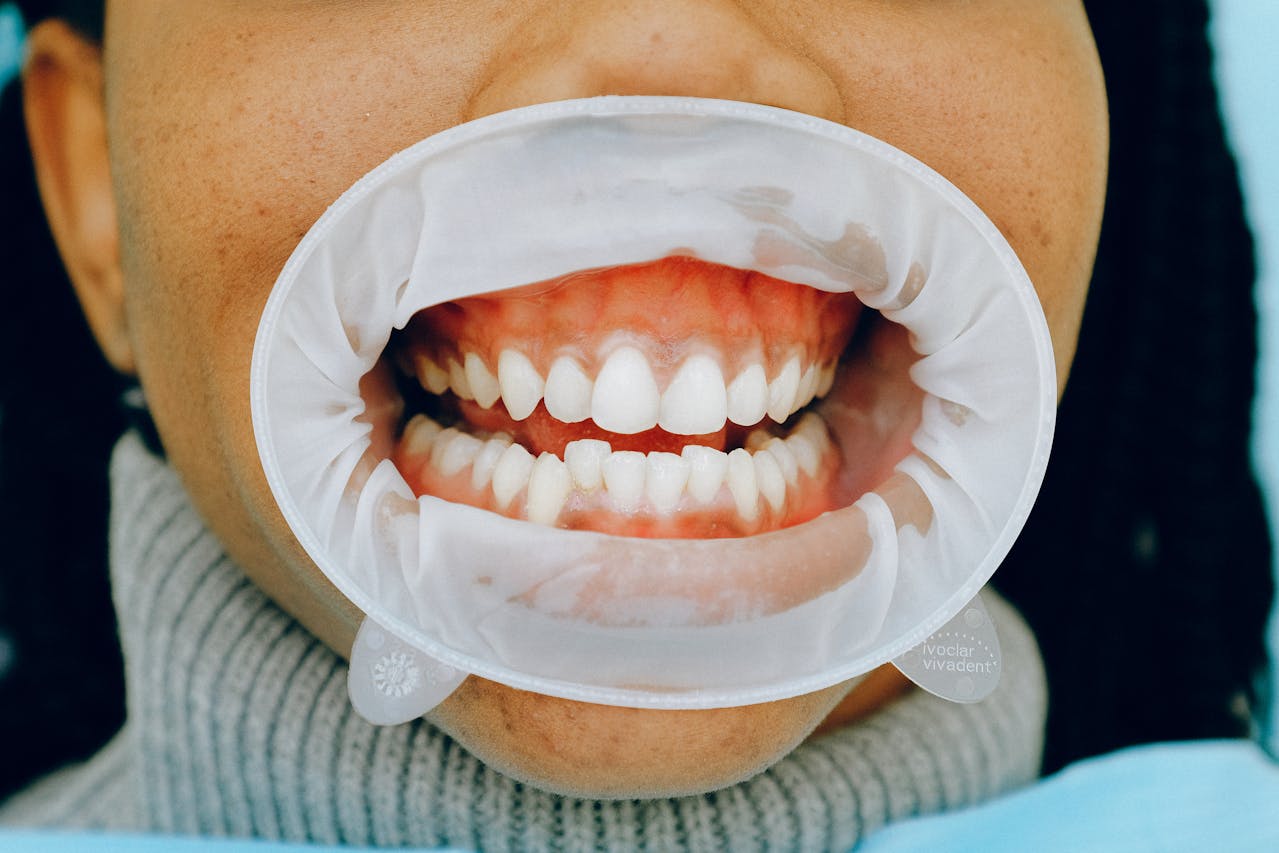
The Role of Genetics in Dental Health: Understanding Your Risk Factors
When it comes to dental health, many of us focus on brushing, flossing, and regular check-ups. However, did you know that your genes play a significant role in determining your dental health? Just like your eye color or height, your risk for certain dental conditions can be influenced by your genetic makeup. Let’s delve into the fascinating world of genetics and how it impacts your dental health, helping you understand your risk factors and take proactive steps to maintain a healthy smile.
The Genetic Influence on Dental Health
Your genes carry the instructions for building and maintaining your body, including your teeth and gums. Dentist Richmond tests for genetic predispositions to certain dental conditions can provide valuable insights into your oral health. These tests can help identify specific genetic markers that may influence your risk for issues like tooth decay, gum disease, and other dental problems. While good oral hygiene and regular dental visits are crucial, genetics can influence several aspects of your dental health, including:

Tooth Decay and Cavities
Some people are more prone to cavities due to their genetic makeup. Genes can affect the composition of your saliva, which plays a crucial role in protecting your teeth from decay. For instance, if your saliva is less effective at neutralizing acids or lacks sufficient minerals to help remineralize your teeth, you might be at a higher risk for cavities.
Gum Disease
Periodontal disease, or gum disease, is a common condition that affects the gums and bones supporting the teeth. Research has shown that genetics can influence your susceptibility to gum disease. If you have a family history of gum disease, you might need to be more vigilant about your oral hygiene and regular dental visits to catch any early signs of the condition.
Tooth Alignment and Bite
Your genes can also determine the size and shape of your jaw, which can influence the alignment of your teeth and your bite. Conditions like crowding, gaps, overbites, and underbites can be inherited. If you have orthodontic issues in your family, there’s a higher chance you might need braces or other orthodontic treatments.
Enamel Strength
The strength and composition of your tooth enamel, the hard outer layer that protects your teeth, can be influenced by genetics. Weaker enamel can make your teeth more susceptible to decay and wear. If you have inherited thinner enamel, you might need to take extra precautions to protect your teeth from damage.
Understanding Your Risk Factors
Knowing your family dental history can provide valuable insights into your own risk factors. Here are a few steps you can take to understand and manage your genetic risk factors for dental health:
Talk to Your Family
Discuss your family’s dental health history with your relatives. Find out if there’s a history of cavities, gum disease, orthodontic issues, or other dental conditions. This information can help you and your dentist create a personalized plan for your oral care.

Share Your History With Your Dentist
Make sure to share your family’s dental history with your dentist. They can use this information to tailor their recommendations and keep a closer eye on potential issues that might arise due to your genetic predisposition.
Maintain Excellent Oral Hygiene
While you can’t change your genes, you can control your oral hygiene habits. Brush your teeth at least twice a day, floss daily, and use fluoride toothpaste to strengthen your enamel. Regular dental check-ups are crucial for catching any issues early and keeping your teeth and gums healthy.
Consider Preventive Treatments
If you know you’re at higher risk for certain dental conditions, talk to your dentist about preventive treatments. This could include fluoride treatments, dental sealants, or more frequent professional cleanings to help protect your teeth and gums.
In Conclusion
Understanding the role of genetics in dental health can empower you to take proactive steps to protect your smile. While you can’t change your genetic makeup, you can manage your risk factors by maintaining excellent oral hygiene, staying informed about your family’s dental history, and working closely with your dentist. By taking these steps, you can help ensure that your teeth and gums stay healthy and strong for years to come. So, embrace your unique genetic blueprint and take charge of your dental health today.…
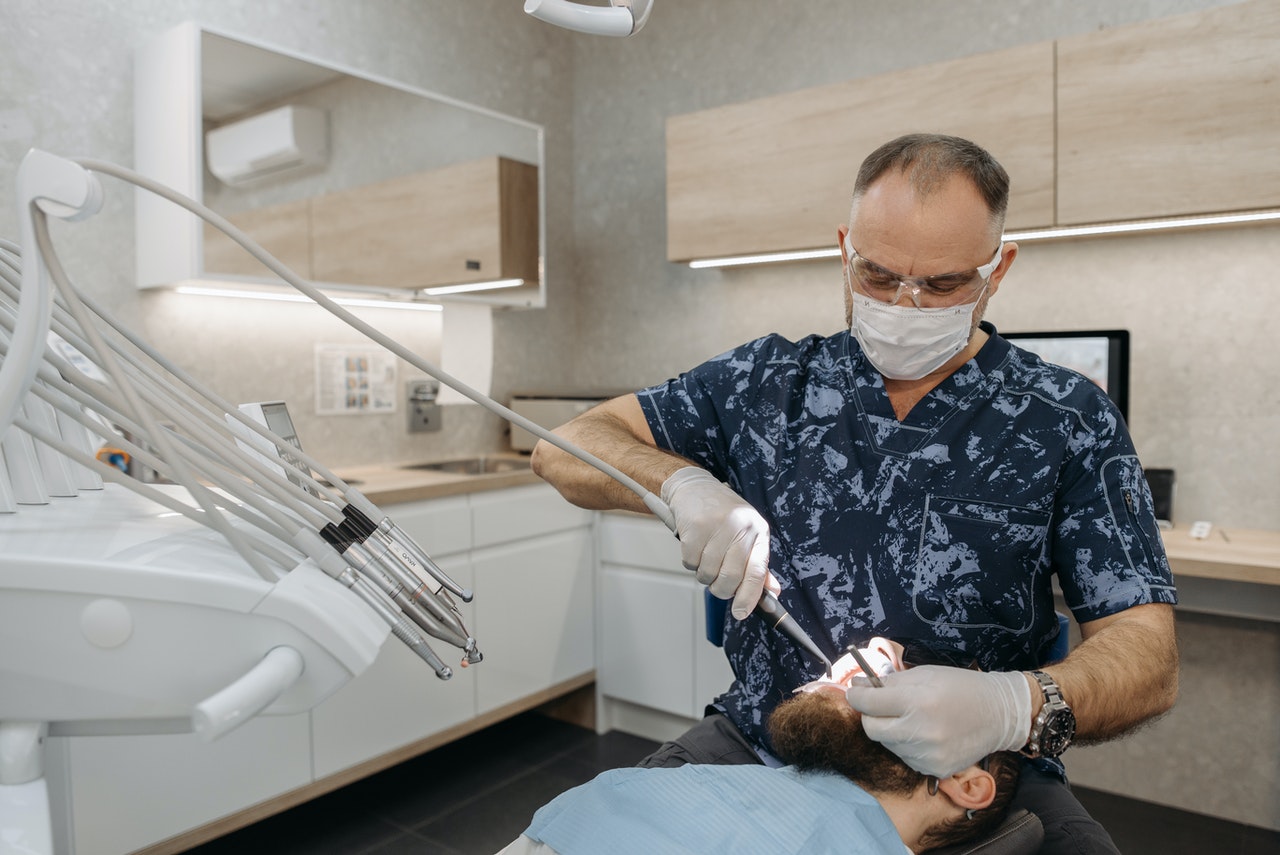
Essential Ways to Lower Your Dental Care Costs
Dental care can be expensive, especially if you don’t have dental insurance. However, there are a few important ways to lower your dental care costs. This blog post will discuss some of the best ways to save money on dental care. Keep reading for tips that will help you keep your teeth healthy and your wallet happy. In addition, you can get dental quotes online from top-rated cosmetic dentists to help get the most on the procedure.
Keep Oral Hygiene in Check
One of the best ways to lower your dental care costs is to keep your oral hygiene in check. This means brushing and flossing your teeth every day and using mouthwash. If you can brush and floss after every meal, that’s even better. Additionally, you should visit your dentist for a cleaning and checkup at least twice a year. By keeping your oral hygiene in check, you can avoid costly dental procedures down the line.
Protect Your Teeth From Damage
Another way to lower your dental care costs is to protect your teeth from damage. This means avoiding sugary and acidic foods and drinks and using a mouthguard if you play sports. It would help if you also avoided smoking, as it can lead to several oral health problems. If you take good care of your teeth, they will last longer, and you won’t have to spend as much money on dental care.

Consider the Payment Options
When you need to visit the dentist, be sure to consider your payment options. If you have dental insurance, find out what is covered and your copayment. If you don’t have dental insurance, there are still options to help you save money on dental care. Many dentists offer discounts for cash payments, and there are also dental savings plans that can help you save money on dental care.
Consider Dental Insurance
If you are looking for ways to save money on dental care, you should consider dental insurance. Dental insurance can help you cover the cost of preventive care and the cost of necessary treatments and procedures. There are some different dental insurance plans available, so be sure to do your research to find one that is right for you.
While there are many ways to reduce your dental care costs, we’ve outlined the essential methods. You can keep more money in your pocket and maintain a healthy smile by following our advice. Have you tried any of these techniques? Let us know how they worked for you in the comments below.…


